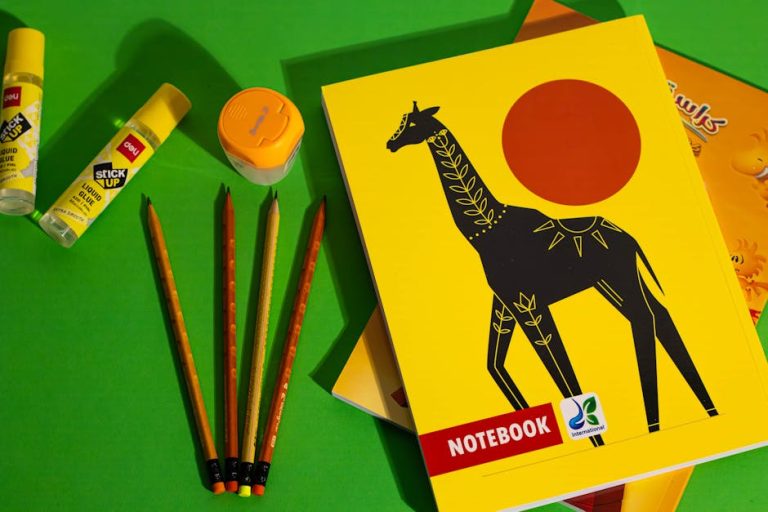
Exploring Different Types of Writing Tools for Students
In the rapidly evolving landscape of education, the tools that students use to express their ideas and…
In the rapidly evolving landscape of education, the tools that students use to express their ideas and complete their assignments are undergoing significant transformations. As we look towards the upcoming year, the focus on innovative writing tools is set to redefine the student experience, particularly in the realm of school accessories. One platform that stands out in this domain is ischoolus.org, an eCommerce site dedicated to providing students with a diverse range of writing tools designed to enhance learning and creativity.
Writing tools have always been essential for students, but the next twelve months promise to bring forth exciting innovations that cater to the needs of modern learners. As we delve into the types of writing tools available, we will also explore two emerging trends that are likely to shape the future of student writing.
First, let’s consider the traditional writing instruments that have been staples in classrooms for decades. Pencils, pens, and markers are still widely used, but their designs and functionalities are evolving. For instance, ergonomic pens that reduce strain during long writing sessions are gaining popularity. These tools not only enhance comfort but also improve the overall writing experience, making them a must-have for students who spend hours on assignments.
Moreover, the rise of eco-friendly writing tools is a trend that is expected to gain momentum in the coming year. As environmental consciousness grows among students and educators alike, products made from recycled materials or sustainable sources are becoming increasingly desirable. Brands that prioritize sustainability are likely to capture the attention of eco-aware students, making them a key player in the school accessories market.
In addition to traditional writing instruments, digital writing tools are making waves in the educational sector. Tablets and styluses are becoming essential for students who prefer a more tech-savvy approach to writing. The integration of apps that facilitate note-taking and organization is also on the rise. For example, platforms that allow students to handwrite notes digitally and convert them into text are gaining traction. This trend not only caters to the preferences of tech-savvy learners but also supports diverse learning styles, making education more accessible.
As we move into the next year, the concept of hybrid learning environments is expected to influence the types of writing tools students will seek. With a blend of in-person and online education becoming the norm, tools that bridge the gap between physical and digital writing will be in high demand. For instance, smart notebooks that sync handwritten notes to cloud storage are likely to become essential accessories for students navigating both worlds. This innovation allows for seamless transitions between traditional and digital formats, catering to the diverse needs of students.
Another emerging trend is the personalization of writing tools. Customizable pens, notebooks, and even digital templates are becoming increasingly popular as students seek to express their individuality. The ability to personalize writing tools not only enhances the user experience but also fosters a sense of ownership and pride in one’s work. As ischoolus.org continues to expand its offerings, we can expect to see a wider range of customizable options that resonate with students’ unique styles and preferences.
In conclusion, the future of writing tools for students is bright and filled with possibilities. As we approach the upcoming year, innovations in ergonomics, sustainability, digital integration, and personalization are set to redefine the landscape of school accessories. Platforms like ischoolus.org are at the forefront of this evolution, providing students with the tools they need to succeed in an ever-changing educational environment. By embracing these trends, students can enhance their writing experience, making learning not only more effective but also more enjoyable.